Real wood plantation shutters are beautiful — and in Miami's climate, they can be a mistake. The same humidity and salt air that make South Florida gorgeous are quietly hard on window treatments, and the difference between a covering that looks new in ten years and one that warps in three usually comes down to a single decision: the material. This guide compares plantation shutters and roller shades on the only test that matters here — how long they last in Miami.
If you're shopping for plantation shutters in Miami, don't start with the style. Start with what the humidity, the UV, and the salt are going to do to it.
The Miami Humidity Problem
Wood is hygroscopic — it absorbs and releases moisture from the air, swelling when it's humid and shrinking when it's dry. In a climate-controlled Miami home, shutters live on the boundary between cool, dry interior air and hot, humid air pressing in through the glass. That constant moisture cycling is exactly what makes natural wood move: louvers that once aligned perfectly begin to stick, tilt rods loosen, and panels can bow just enough to throw off the clean lines you paid for.
Add Miami's heat and relentless UV, and untreated or lower-grade wood finishes can yellow and crack over time. None of this means wood is a bad material — it means wood asks a lot of the environment, and Miami doesn't cooperate.
Real Wood vs. Composite vs. Vinyl
There are three common materials for plantation shutters, and they behave very differently in South Florida. Natural wood (often basswood) is the lightest and offers the widest louvers and the most premium look, but it's the most vulnerable to humidity movement and the priciest. Vinyl is the most affordable and fully moisture-proof, though it can sag on very wide openings and looks less refined up close. Composite — an engineered wood core wrapped in a tough polymer coating — sits in the sweet spot for Miami: it resists moisture and warping like vinyl but carries the painted, substantial look of wood.
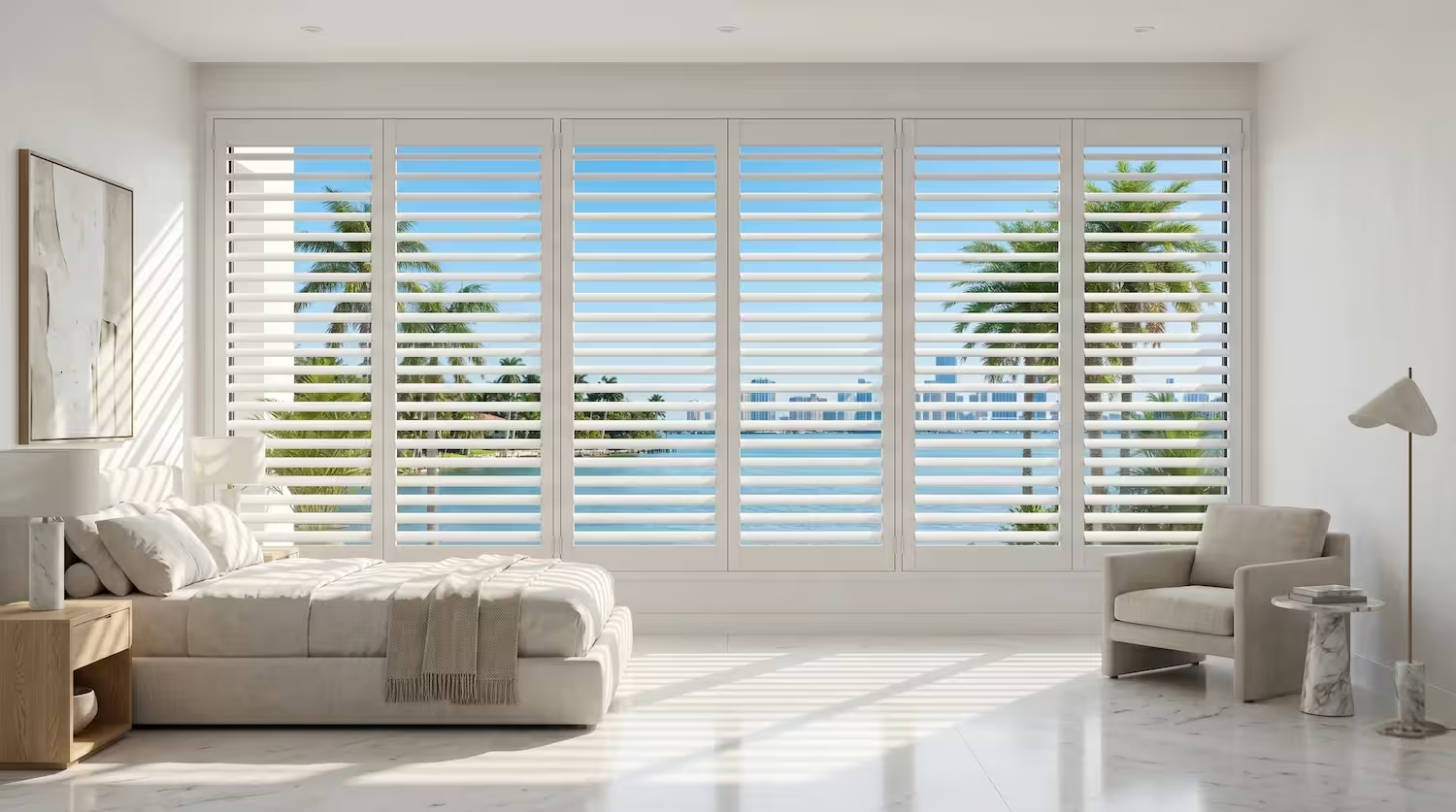
For the vast majority of Miami homes, composite plantation shutters are the right answer. They give you the architectural plantation-shutter look that suits a Coral Gables Mediterranean Revival or a Miami Beach bungalow, without the seasonal movement that plagues natural wood here. Explore the material options on our plantation shutters page.
Salt Air and Your Hardware
Material isn't only about the panels — it's about the metal, too. On homes near the bay or the ocean, salt-laden air corrodes cheap hinges, tilt mechanisms, and fasteners, and a shutter is only as reliable as the hardware that moves it. Quality shutters for coastal Miami use corrosion-resistant hinges and components rated for the environment.
The same logic applies to roller shades: salt air degrades bargain fabrics and low-grade chain or motor hardware, which is why oceanfront installs call for marine-minded materials. Whichever product you choose, near the water the hardware spec matters as much as the fabric or the panel.
Longevity: What Lasts How Long in Miami
Here's the practical bottom line. In Miami's climate, well-made composite plantation shutters routinely last well over a decade looking essentially new, because nothing about humidity or salt moves or fades them. Natural wood shutters can be stunning but often show their first issues — sticking louvers, finish wear, minor warping — in the five-to-seven-year range here unless they're meticulously maintained and kept out of direct moisture and sun.
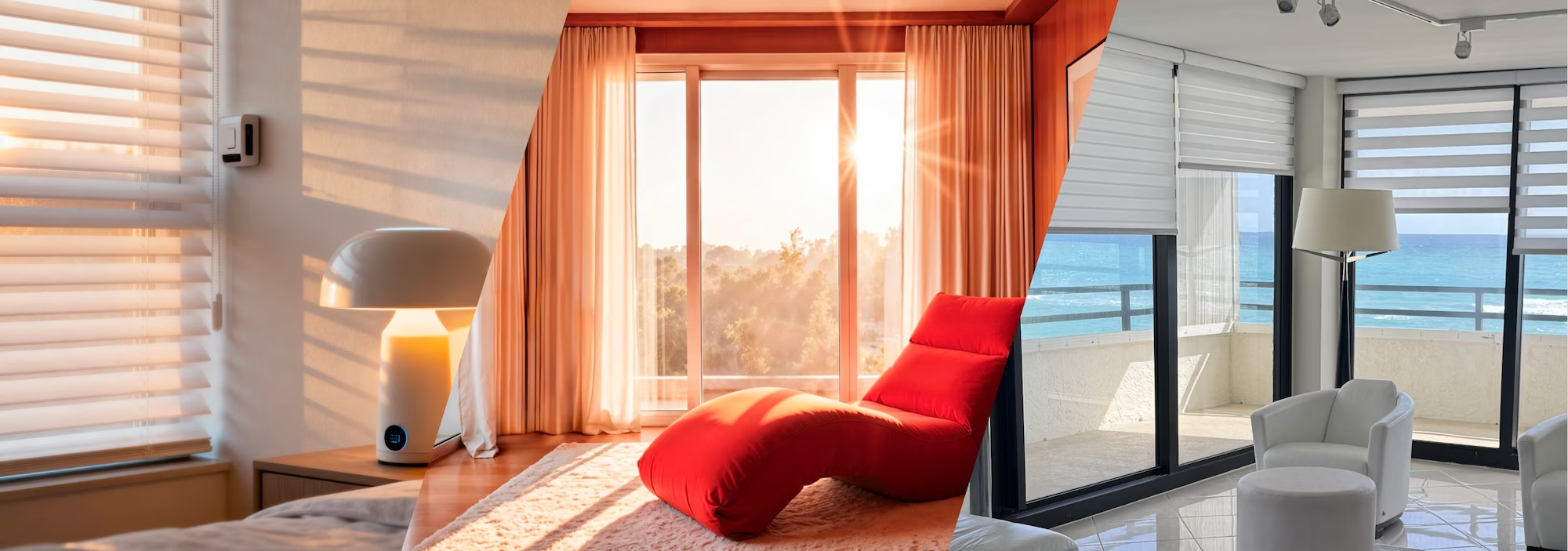
Quality roller and solar shades generally last many years as well, with the fabric being the wear item; sun-facing fabrics eventually show UV wear, while the mechanism keeps going. The headline: for a permanent, decade-plus architectural treatment in Miami, composite shutters are the durability champion. For flexibility and view, shades win — more on that below.
Maintenance Differences
Composite shutters are close to maintenance-free: a wipe with a damp cloth handles dust and the occasional splatter, and there's no refinishing, no humidity babysitting. Natural wood asks for more — gentle dusting, avoiding moisture, and watching for finish wear, especially in bathrooms and kitchens where Miami humidity concentrates.
Roller shades are similarly low-effort — fabrics are treated to resist dust, and a vacuum brush or light wipe keeps them clean. If hands-off durability is your priority, composite shutters and quality roller shades both deliver; natural wood is the one that wants attention.
Resale Value and the Right Room
Plantation shutters are one of the few window treatments buyers treat as a built-in upgrade rather than a personal taste item — they read as permanent, high-end, and they tend to stay with the home. In Miami's design-conscious market, clean composite shutters on the front-facing rooms are a genuine selling point.
That said, shutters don't win every room. On a wall of floor-to-ceiling glass with a bay or ocean view, roller and solar shades preserve the vista and disappear when raised, while shutters would frame and break it up. The smartest Miami homes mix the two: composite shutters where you want architecture, privacy, and resale value, and shades where you want the view and energy control. Our guide to cutting your AC bill with solar shades covers that energy side, and high-rise owners should see our condo window treatment guide.
How Miami Shades Helps You Choose
Since 2016, the Miami Shades team has helped South Florida homeowners match the material to the room and the climate — not just the look. We'll walk your home, factor in your exposure to sun and salt, and recommend composite shutters, shades, or a mix, with honest guidance on what will still look new in a decade. As Daniel K. in Coral Gables told us about his composite plantation shutters: "Five years and they still look new."
Book your free in-home consultation and we'll bring samples of composite shutters and solar fabrics so you can compare them in your own light, against your own glass, before you decide.
Frequently Asked Questions
Do plantation shutters warp in Miami's humidity?
Natural wood plantation shutters can warp, stick, or move in Miami's humidity because wood absorbs and releases moisture with the air. Composite shutters — an engineered core wrapped in a polymer coating — do not, which is why they're the recommended choice for South Florida homes. Choose composite and warping essentially stops being a concern.
Are composite or wood shutters better for South Florida?
For most Miami homes, composite. Composite shutters resist humidity, salt air, and warping while keeping the painted, substantial look of wood, and they typically last well over a decade looking new. Natural wood is beautiful but higher-maintenance and more vulnerable to Miami's climate.
How long do plantation shutters last in Miami?
Quality composite plantation shutters routinely last well beyond ten years in Miami with little more than occasional wiping. Natural wood shutters often begin showing humidity or finish issues in roughly five to seven years here unless they're carefully maintained and kept away from direct moisture.
Should I choose shutters or roller shades for my Miami home?
It depends on the room. Composite shutters are best where you want architecture, privacy, and resale value; roller and solar shades are best on large view windows and for energy control, because they preserve the view and disappear when raised. Many Miami homes use both — we'll help you decide room by room.
Does salt air damage shutters near the water?
It can damage the hardware more than the panels. Near the bay or ocean, salt air corrodes low-grade hinges and tilt mechanisms, so coastal Miami installs should use corrosion-resistant hardware and moisture-proof composite or vinyl panels. With the right specs, shutters hold up well even on the water.