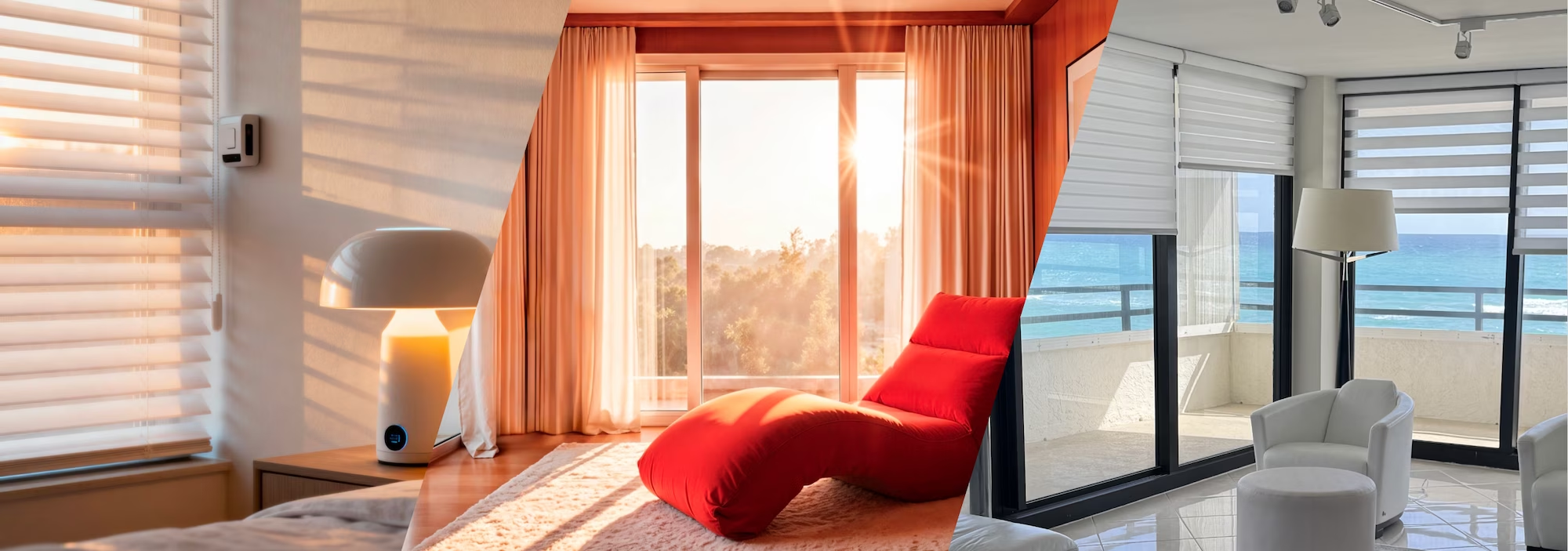
Almost every South Florida home has one: the wide wall of glass that opens to the patio, pool, or lanai. It's the best feature of the house and the hardest one to cover. The span is too wide for a single shade, the door is in constant use so the treatment has to move out of the way cleanly, and the western or southern exposure that makes the view great also makes the room hot. Standard window solutions don't translate to a ten-foot sliding door. Here's what actually works for sliding glass doors and lanais in a Florida home — and how to choose between the options.
Why sliding doors and lanais are a unique South Florida challenge
Three things make these openings different from a normal window. First, width: sliding doors and lanai openings routinely span eight, ten, twelve feet or more, well beyond what one fabric shade can cover gracefully. Second, traffic: this is the door everyone uses to reach the pool and patio, so whatever covers it has to stack tightly out of the path and survive daily operation. Third, exposure: these openings usually face the yard, which in Florida often means west or south — the hottest, highest-glare orientations, plus salt air and humidity if you're near the coast. A treatment for this opening has to handle all three at once.
The options, compared
Four solutions cover the vast majority of sliding-door and lanai projects. Each has a clear best use:
- Sliding panel track: wide fabric panels that glide on a ceiling- or wall-mounted track and stack neatly to one side. Purpose-built for wide glass — the most contemporary, lowest-fuss option.
- Vertical blinds: the old default for sliding doors. Functional and inexpensive, but the dated look and rattling vanes are why most homeowners now choose panel track instead.
- Motorized roller shades: one or more wide rollers, often in solar fabric, that drop to cover the glass and roll up out of sight. Excellent for heat control and a clean modern look.
- Drapery on a traverse track: soft fabric panels that draw across the opening, adding warmth, texture, and sound absorption — often layered with a roller shade for light control.
Sliding panel track, explained
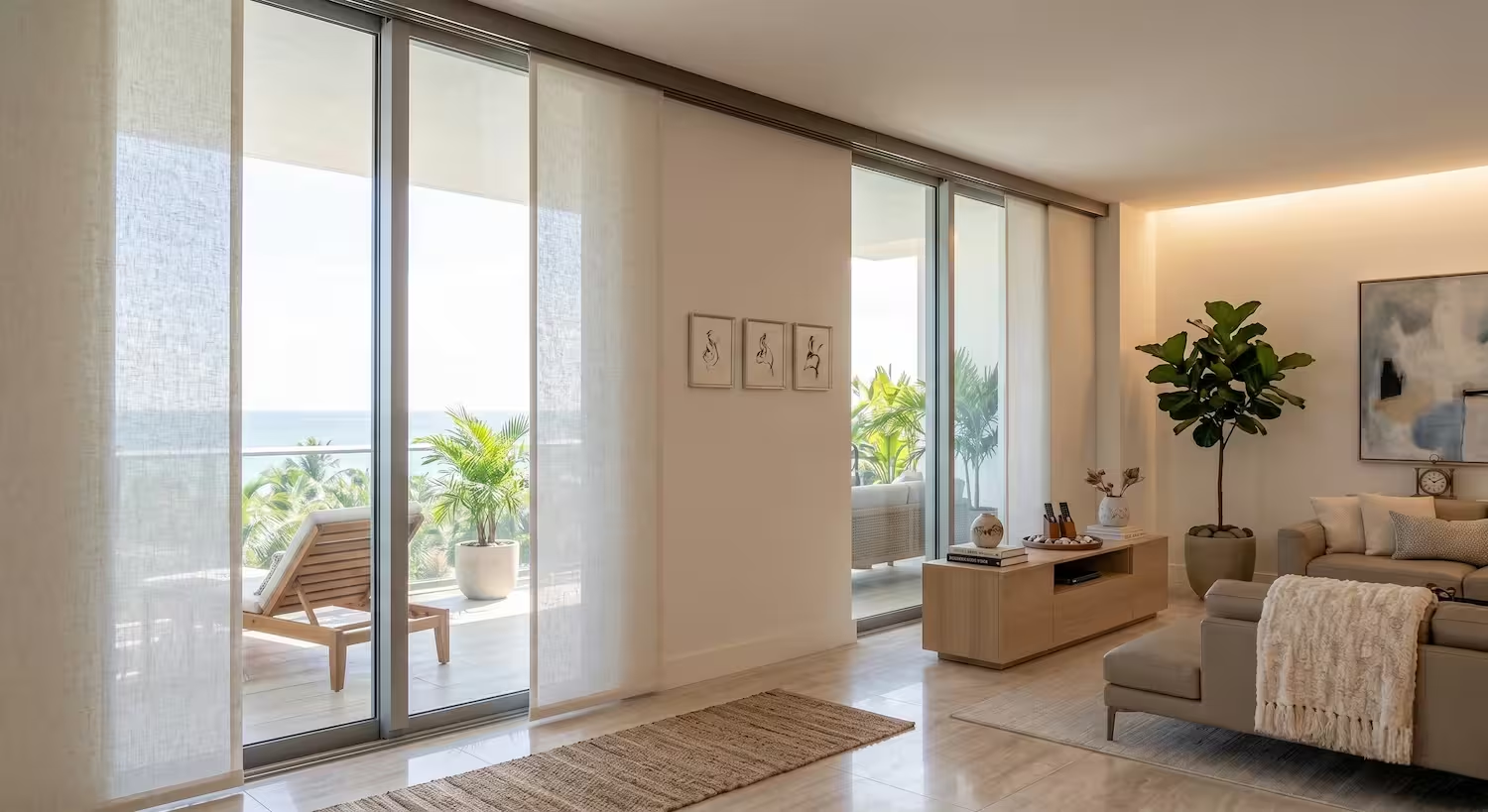
For most wide glass and lanai openings, a sliding panel track is the answer. The system uses several broad panels of fabric — solar, light-filtering, or room-darkening — that ride on a discreet track and slide past each other to stack compactly at one end, clearing the doorway. It's the modern replacement for vertical blinds: the same wide coverage and easy operation, without the dated slats or the noise.
Panel track suits South Florida especially well because you can run it in UV-blocking solar fabric to cut the heat coming off all that glass, and the clean horizontal lines fit the contemporary architecture common in Miami condos and lanais. The panels are custom-sized to the opening, so the system looks built-in rather than added on.
Indoor-outdoor living: exterior solar shades for lanais
If your opening is a true lanai or covered patio rather than an interior slider, the highest-performing option is an exterior solar shade. Mounted outside the glass, it blocks the sun at the source — before the heat ever reaches the room — and rejects on the order of 90–95% of solar heat for the lanai, dramatically more than any interior treatment can. Motorized exterior shades turn a too-hot afternoon lanai into usable space, drop for privacy and bug control in the evening, and retract out of sight when you want the open view. They're the single biggest upgrade for indoor-outdoor living in a Florida home.
Fabric and UV: what survives salt air and humidity
Whatever system you choose, the materials have to be specified for the environment. Near the coast, that means vinyl-coated polyester fabrics that resist moisture, mildew, and fading, paired with anti-corrosion aluminum components and hardware that won't pit or seize in salt air. Standard indoor fabrics and untreated metal parts fail quickly on a beachside lanai. This is exactly the kind of detail that separates a treatment that lasts from one that looks tired in two seasons — and it's why we match fabric and hardware to each home's exposure rather than selling a one-size spec.
Motorization for wide spans
Width is the practical case for motorizing. A ten-foot panel track or a bank of wide roller shades is heavy and awkward to operate by hand several times a day, and the cords or chains needed to move that much material are a nuisance and a safety concern. Motorized operation moves the whole span with one tap or a voice command, which on a door you use constantly is less a luxury than a practicality. It also lets you put the lanai and slider on a schedule — solar shades down through the hot afternoon, up in the evening — so the room stays comfortable without anyone managing it. For homes layering soft fabric over the glass, motorized drapery on a traverse track draws the same way.
When to add drapery to the mix
Not every sliding door wants a hard shade. In living rooms and primary bedrooms, layering soft drapery over a roller or panel-track shade adds warmth, texture, and a finished, designed look to what is otherwise a big blank wall of glass. The shade handles heat, glare, and privacy during the day; the drapery softens the room, absorbs sound in tile-and-glass interiors that tend to echo, and gives you a cozier light at night. On a wide opening, drapery runs on a traverse track so it draws smoothly across the span and stacks back off the glass when you want the view. It's the move for homeowners who want the slider to feel like part of the room's design rather than just a covered door — and it pairs naturally with a solar shade underneath for the South Florida sun.
What it costs and what to expect
Pricing for these openings depends on the system, the fabric, the width, and whether you motorize. As a general frame: vertical blinds are the budget floor; sliding panel track sits in the mid-range and is where most homeowners land for interior sliders; motorized roller and exterior solar shades cost more but deliver the best heat control and the cleanest operation on wide spans. Because the opening is large and highly visible, it's usually worth investing here rather than economizing — this is the wall everyone sees and uses. We measure the opening, confirm the ceiling and mounting conditions, and give you a written price per system so you can compare options directly. If you want the broader decision framework first, our guide to choosing window treatments in South Florida lays out how these choices fit the rest of the house.
Start with a free in-home consultation
Sliding doors and lanais reward getting the measurement and mounting right, so this is an opening best assessed in person. Miami Shades is a family-owned, bilingual team serving South Florida since 2016, with deep experience on condo and high-rise lanais where mounting conditions and HOA rules add constraints. We'll measure the span, check the ceiling structure, recommend the system and fabric for your exposure, and price it per option. Book a free in-home consultation and we'll bring the samples to you.
We cover sliding glass doors and lanais across Miami, North Miami, Miami Beach, Coral Gables, Aventura, Fort Lauderdale, Boca Raton, and Palm Beach — including the floor-to-ceiling glass and wide lanai openings common in South Florida high-rises.
Frequently Asked Questions
What is the best window treatment for a sliding glass door?
For most interior sliding doors, a sliding panel track is the best all-around choice — it covers wide glass, stacks neatly out of the doorway, and offers a clean modern look in solar or light-filtering fabric. Motorized roller shades are the top pick where heat control is the priority, and exterior solar shades win for true lanais and covered patios.
Are sliding panel tracks better than vertical blinds?
Generally, yes. Sliding panel track gives the same wide coverage and easy side-stacking operation as vertical blinds but without the dated slat look, the rattling, and the fragile vanes. It also accepts UV-blocking solar fabrics, which matters a great deal on the sun-exposed openings typical in South Florida.
How do I cover a lanai opening to keep it cooler?
The most effective option is a motorized exterior solar shade mounted outside the glass. By blocking the sun before it reaches the opening, exterior shades reject roughly 90–95% of solar heat for the lanai — far more than any interior treatment — and retract out of sight when you want the open view.
What fabric holds up to salt air near the coast?
Vinyl-coated polyester fabrics resist moisture, mildew, and fading, and they should be paired with anti-corrosion aluminum components and hardware. Standard indoor fabrics and untreated metal parts degrade quickly in coastal salt air, so any treatment on a beachside lanai or slider should be specified for the environment.
Should I motorize a sliding door treatment?
For wide spans and doors in daily use, motorization is highly recommended. Moving a ten-foot panel track or bank of roller shades by hand several times a day is awkward, and motorized operation handles the whole span with one tap while removing cords and chains. It also enables automatic sun-tracking schedules to keep the room comfortable.