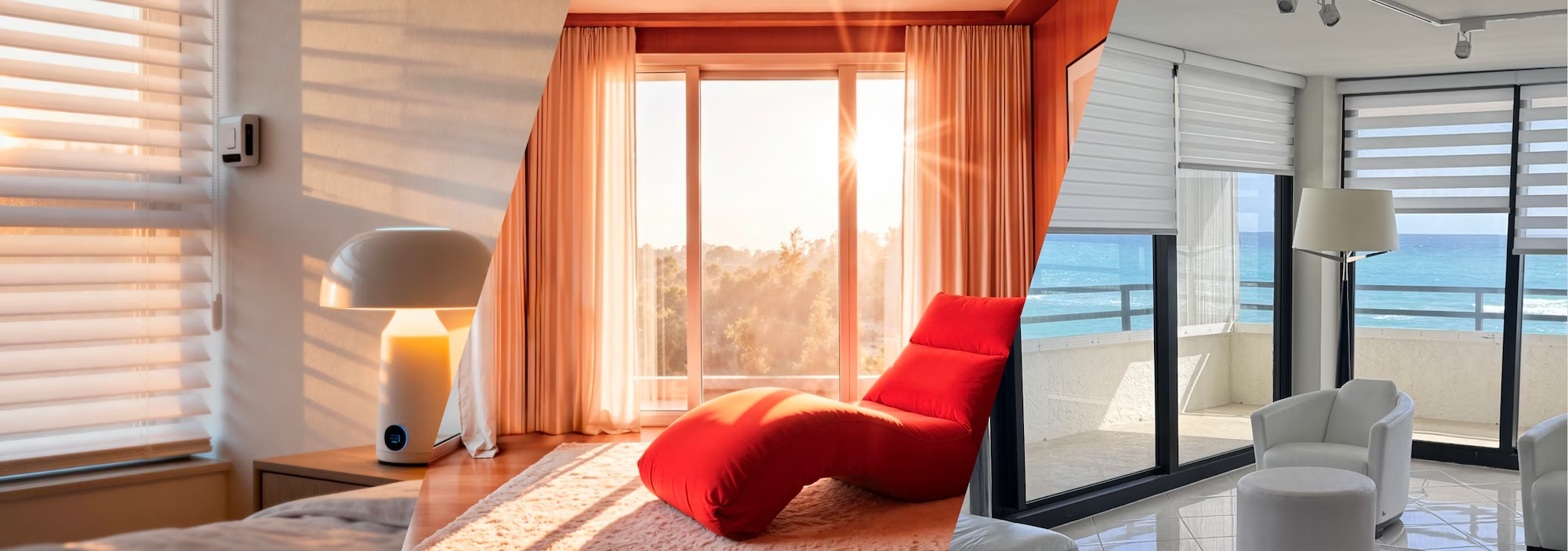
If your air conditioner runs most of the day and a west- or south-facing room is still warm by mid-afternoon, the problem usually isn't the AC. It's the glass. Sunlight pours through an unshaded window as radiant heat, lands on floors and furniture, and warms the room faster than the system can pull it back out. In Miami, where the AC runs nearly all year, that is a real cost. The good news is that you don't have to give up the view to fix it. This guide explains how to block sunlight and heat from Miami windows, which shade to choose for each exposure, and where to start.
Why do Miami windows let in so much heat?
Cooling is the biggest load in a South Florida home, and the AC works hardest exactly when the sun is strongest. Every window facing east in the morning, south through the middle of the day and west in the late afternoon acts like a small radiant heater. Miami homes and condos tend to have a lot of glass, often floor to ceiling, so more solar heat gets in.
The key idea is simple: blocking heat at the window is far cheaper than cooling it back down once it is in the room. A shade that rejects sunlight before it heats the floor and furniture means the AC cycles less, runs shorter and costs less.
What is the best way to block heat without losing the view?
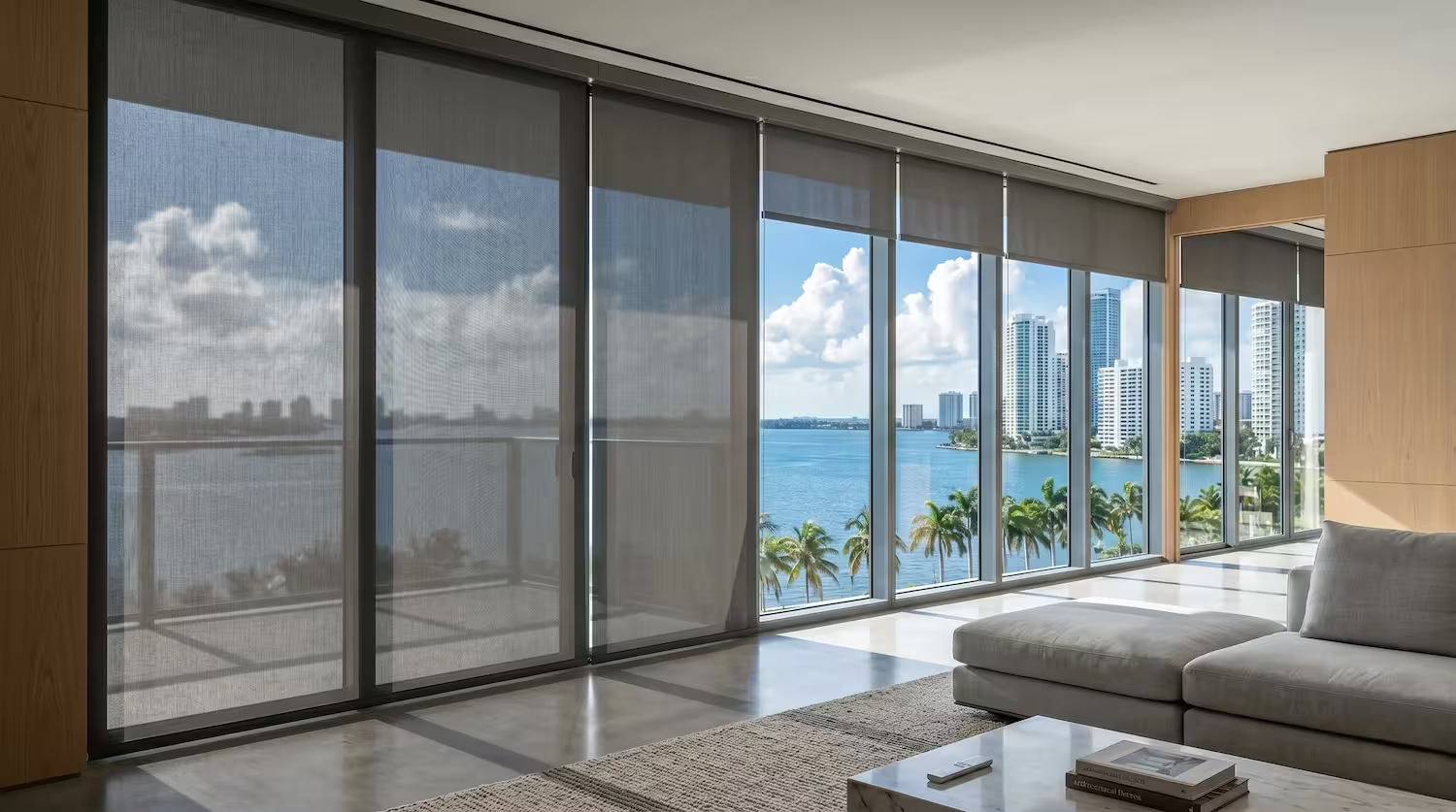
For most Miami windows, a solar shade is the answer. Solar shades use an open-weave fabric that cuts heat, glare and UV while you still see out, much like a tinted screen. Blackout shades block heat too, but they also block the view, so they suit bedrooms rather than living spaces. Window film is another option, but it is permanent, can conflict with some impact-glass warranties and some condo rules, and it can't be raised when you want full light.
What openness factor should I choose?
The openness factor is the percentage of the fabric that is open weave. A 3% fabric is 97% solid. A lower number blocks more heat, glare and UV and gives more daytime privacy. A higher number keeps more of the view. The table at the end of this article compares 1%, 3%, 5% and 10% side by side.
- 1%: maximum heat and glare control. Best for west-facing rooms that bake in the afternoon and for TV rooms.
- 3%: the sweet spot for most Miami living spaces. Strong heat control with a clear, usable view.
- 5%: a more open view with good glare control. Works well on south and east windows.
- 10%: the most open view and the least heat control. Best on north-facing or already shaded windows.
Fabric color matters too. A light or white backing facing the glass reflects heat back out, while a darker face toward the room usually gives a clearer view to the outside. Many Miami installs use a dual-color fabric to get both.
How much heat do solar shades actually block?
Quality solar shades at 1% to 3% openness reject most of the sun's heat and UV at the window. The U.S. Department of Energy reports that using window coverings well can cut solar heat gain substantially, and the best results come from tightly fitted shades on sun-exposed glass. In practice, a well-chosen solar shade turns a hot, glaring room into a comfortable one and visibly eases the AC.
It is worth being honest about the bill. Across a whole home, expect solar shades to trim a meaningful share of cooling energy rather than cut the bill in half. The biggest savings come in rooms with a lot of west- or south-facing glass, and they grow when the shades are actually down during peak sun, which is where motorization helps.
Interior or exterior solar shades?
Where the shade sits changes how much heat it can stop. An interior solar shade blocks heat after sunlight has passed through the glass. It is effective, low maintenance and the right choice for most rooms. An exterior solar shade stops the sun before it reaches the glass at all, so it blocks more heat. Exterior shades make the biggest difference on lanais, patios and unshaded west walls, and they need to be specified for wind and hurricane season.
Which windows should I shade first?
You don't have to do the whole home at once. Start with the windows that take the most direct sun:
- West-facing glass. It takes the hottest sun of the day in the late afternoon. Use 1% to 3% openness.
- South-facing glass. It gets sun across the middle of the day. Use 3% to 5% openness.
- East-facing glass. Morning sun is less intense but can still heat bedrooms and kitchens. Use 3% to 5% openness.
- North-facing glass. The least direct sun. A 5% to 10% fabric keeps the view and controls glare.
For floor-to-ceiling glass in high-rise condos, see our guide on the best window shades for a Miami condo.
Should I motorize solar shades?
A solar shade only blocks heat when it is down, and the easiest way to lose the benefit is to forget to lower it. Motorized shades fix that. A schedule can close west-facing shades as the afternoon sun swings around and raise them in the evening for the view. Hunter Douglas PowerView, Lutron, Somfy and Rollease Acmeda systems all support schedules, and many link to Alexa or Google Home. See how it works on our motorized shades and blinds page.
What about cellular shades?
Cellular, or honeycomb, shades trap a layer of air at the glass, which insulates as well as blocks sun. They don't keep the view the way a solar shade does, but they are a good fit for bedrooms, especially in a top-down, bottom-up style that keeps privacy while letting light in from above.
Who is Miami Shades?
Miami Shades is a window treatment specialist serving Miami and South Florida from 2750 NE 183rd St in Aventura. The team measures, installs, motorizes and repairs solar, roller, cellular and blackout shades for homes, condos and businesses across Miami-Dade, Broward and Palm Beach, and repairs all brands, including no-name. Miami Shades is rated 5.0 from 30 reviews. See our custom shades page or call (786) 373-7374 for a free in-home consultation.
Frequently Asked Questions
How can I block sunlight from my windows without blocking the view?
Use a solar shade. Its open-weave fabric cuts heat, glare and UV while you still see out. A 3% openness fabric is the usual balance for Miami living rooms, and 1% suits west-facing rooms that take harsh afternoon sun.
What openness factor is best for Miami sun?
Choose 1% to 3% for west and south exposures, 3% to 5% for east, and 5% to 10% for north-facing or shaded windows. Lower openness blocks more heat and glare, and higher openness keeps more of the view.
Do solar shades really lower AC costs?
Yes, mainly in sun-exposed rooms. They reject most of the sun's heat at the window, so the AC works less. Savings are largest on west- and south-facing glass and when shades are lowered during peak sun, which motorized schedules make automatic.
Are exterior solar shades better than interior ones?
Exterior shades block more heat because they stop the sun before it reaches the glass, which makes them ideal for lanais and unshaded west walls. Interior shades are lower maintenance and the practical choice for most rooms.
Will solar shades make my room dark?
No. Solar fabrics filter harsh sun while still letting daylight in, so rooms stay bright but cooler. For full darkness in a bedroom, pair a solar shade with a blackout shade on a dual roller.
Is window film better than solar shades?
Film is permanent and can't be raised for full light, and it may conflict with some impact-glass warranties or condo rules. Solar shades can be raised or lowered, come in different openness levels, and can be motorized on a schedule.