Every June, South Florida homeowners start hurricane-proofing — and somewhere in that process, a lot of people wonder what their window treatments do for them in a storm. So let's be direct from the start, because you deserve a straight answer: interior window treatments and solar shades are not storm protection. They are not impact-rated, and they do not replace impact windows or code-approved hurricane shutters. What the right motorized shades do offer is a set of real, practical advantages that make hurricane season easier to manage. This guide separates the two honestly.
What hurricane season means for South Florida windows
The Atlantic hurricane season runs from June 1 through November 30, with the peak stretch from late August into early October. For a Miami home, that's roughly half the year of watching the tropics, and a meaningful window of time when you may need to secure the house quickly — sometimes before leaving town. Forecasters generally expect active Atlantic seasons in recent years, which is all the more reason to know exactly what your home's systems do and don't do before a storm is on the map.
First, the honest part: what window treatments are not
This is the most important section in this article, so we'll state it plainly. Interior shades, blinds, shutters, and solar shades — including motorized ones — are not impact-rated and provide no structural protection against a storm. They will not stop wind-borne debris, they are not a substitute for impact-resistant glass, and they do not take the place of Miami-Dade code-approved hurricane or storm shutters.
Real opening protection comes from impact windows and doors or from code-approved exterior storm shutters — products engineered and tested to a building-code standard for wind and debris. If protecting your home's openings against a storm is your goal, that is a job for a licensed impact-window or shutter contractor, and we'll always tell you so. Window treatments are about comfort, light, privacy, and energy — not structural defense. Keeping those two categories separate is the single most important thing a homeowner can understand about this topic.
What motorized shades actually do for storm prep
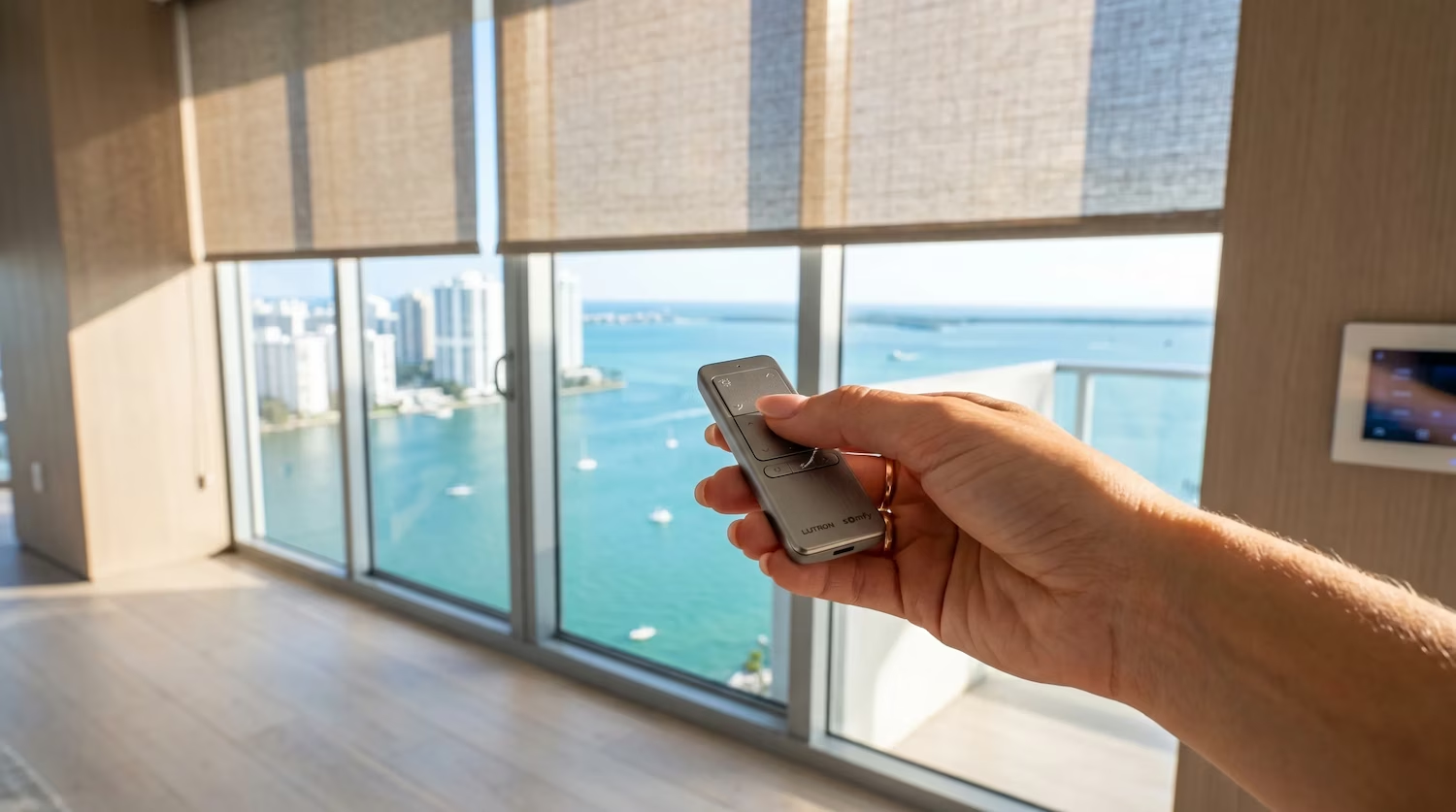
With that line drawn clearly, here's where motorized shades genuinely help when a storm is coming. The biggest one is speed. When you're securing a home before a storm — or before evacuating — motorized shades let you close every shade in the house at once from your phone, a remote, or a voice command, instead of walking room to room. For a multi-story home or a high-rise condo with a lot of glass, lowering everything in seconds is a genuine convenience during a stressful, time-pressured day.
Closed shades also help contain a mess. If a window does fail in a severe storm, a closed interior shade can help catch some glass and keep wind-driven rain from spraying as far into the room. That's a minor, secondary benefit — not a safety feature, and no reason to skip real protection — but it's real.
Protecting your exterior shades: retract before the storm
If you have exterior solar shades on a lanai or patio, the storm-season rule is the opposite of what people expect: you retract or close them per the manufacturer's guidance ahead of the storm to protect the shade itself. Exterior shades are built to manage sun and heat the rest of the year; they are not designed to face hurricane-force wind. Motorization makes this easy — one command pulls the lanai shades up and out of harm's way as part of your storm checklist, rather than leaving them exposed.
Staying cooler when the power's out
One of the most useful things window treatments do in hurricane season has nothing to do with the wind — it's the heat after. When the power goes out and the AC is down, a Miami home heats up fast. Closed solar and cellular shades block the sun from pouring in through the glass, which slows how quickly the interior climbs and helps hold a more bearable temperature through an outage. Cellular (honeycomb) shades are especially good here because their air pockets add an insulating layer at the window. It's a small comfort that matters a lot when you're riding out a multi-day outage in August.
After the storm: sun, glare, and protecting interiors
Once a storm passes, South Florida often snaps back to brilliant, punishing sun. Solar and blackout shades manage that glare, keep recovering rooms comfortable, and protect floors, rugs, and furniture from intense UV during a stretch when you may be spending more time at home. For homes still without full power, the same heat-blocking that helped during the outage keeps working.
Smart-home storm routines
The reason motorization is worth highlighting for hurricane season is that it turns all of the above into a single routine. Tie your shades into a smart-home system — Hunter Douglas PowerView, Lutron, Somfy, or Rollease Acmeda — and you can create a storm-prep scene that lowers every interior shade and retracts the exterior lanai shades with one tap or one voice command. The same system gives you the daily energy and comfort benefits the rest of the year; the storm routine is just one more scene. Our deeper guide to motorized shades in the South Florida smart home covers how these scenes are set up.
A simple storm-season routine for your shades
None of this replaces a real storm plan — secure your impact protection, follow local guidance, and have an evacuation plan. But your window treatments can slot into that plan with a short, repeatable routine. When a storm enters the forecast, we suggest homeowners do the following with their shades:
- Retract exterior lanai and patio shades per the manufacturer's guidance, so wind doesn't damage them.
- Lower interior shades across the home — one tap if they're motorized — to help contain glass and rain if a window is compromised.
- Close solar and cellular shades on sun-facing rooms so the house starts cooler and stays cooler if the power goes out.
- Charge the motors and remotes ahead of time, and confirm any battery-powered shades are topped up before the grid goes down.
After the storm passes, reverse the routine as conditions allow: raise interiors for light, redeploy the lanai shades once winds are clearly done, and let the solar shades manage the bright recovery-day sun. The whole sequence takes seconds with a motorized system and adds a little order to a stressful day — which is the honest, useful role window treatments play in hurricane season.
Start with a free in-home consultation
If you want window treatments that make hurricane season more manageable — and that earn their keep on energy and comfort the other ten months — we're glad to help. And if what you actually need is storm protection for your openings, we'll tell you plainly that the right call is a licensed impact-window or shutter contractor. Miami Shades is a family-owned, bilingual team serving South Florida since 2016, specializing in condos and high-rises. Book a free in-home consultation and we'll walk your home and give you a straight assessment.
We serve Miami, North Miami, Miami Beach, Coral Gables, Aventura, Fort Lauderdale, Boca Raton, and Palm Beach — and we'll always be honest with you about what window treatments can and can't do.
Frequently Asked Questions
Do motorized shades protect my home during a hurricane?
No. Interior shades, blinds, shutters, and solar shades — including motorized ones — are not impact-rated and provide no structural storm protection. They do not replace impact windows or Miami-Dade code-approved hurricane shutters. For genuine opening protection, consult a licensed impact-window or shutter contractor.
Then how do motorized shades help in hurricane season?
They help with speed and comfort rather than protection. You can close every shade in the home at once before a storm or evacuation, retract exterior lanai shades out of harm's way, and keep rooms cooler during a power outage by blocking the sun. These are practical conveniences, not safety features.
Should I leave my exterior solar shades down during a storm?
No — retract or close them per the manufacturer's guidance before the storm to protect the shades. Exterior solar shades are designed to manage sun and heat, not hurricane-force wind. Motorization makes it easy to pull them up as part of your storm checklist.
Can window treatments keep my house cooler if the power goes out?
Yes. With the AC down, closed solar and cellular shades block sunlight from heating the rooms, which slows how fast the interior warms and helps hold a more bearable temperature. Cellular (honeycomb) shades add an insulating air layer at the glass, making them especially effective during outages.
What's the difference between hurricane shutters and plantation shutters?
They are entirely different products. Hurricane (storm) shutters are exterior, code-approved systems engineered to protect openings from wind and debris. Plantation shutters are interior decorative louvered panels for light, privacy, and style — they offer no storm protection. Miami Shades provides interior window treatments, not impact or storm-rated protection.