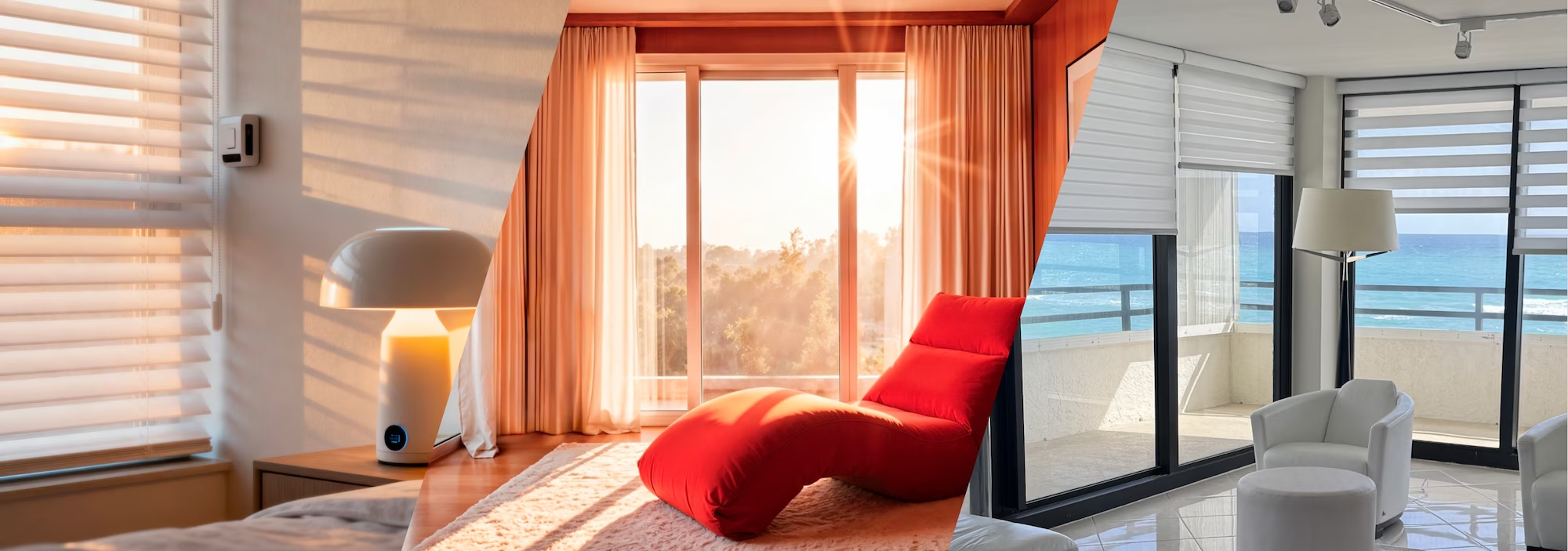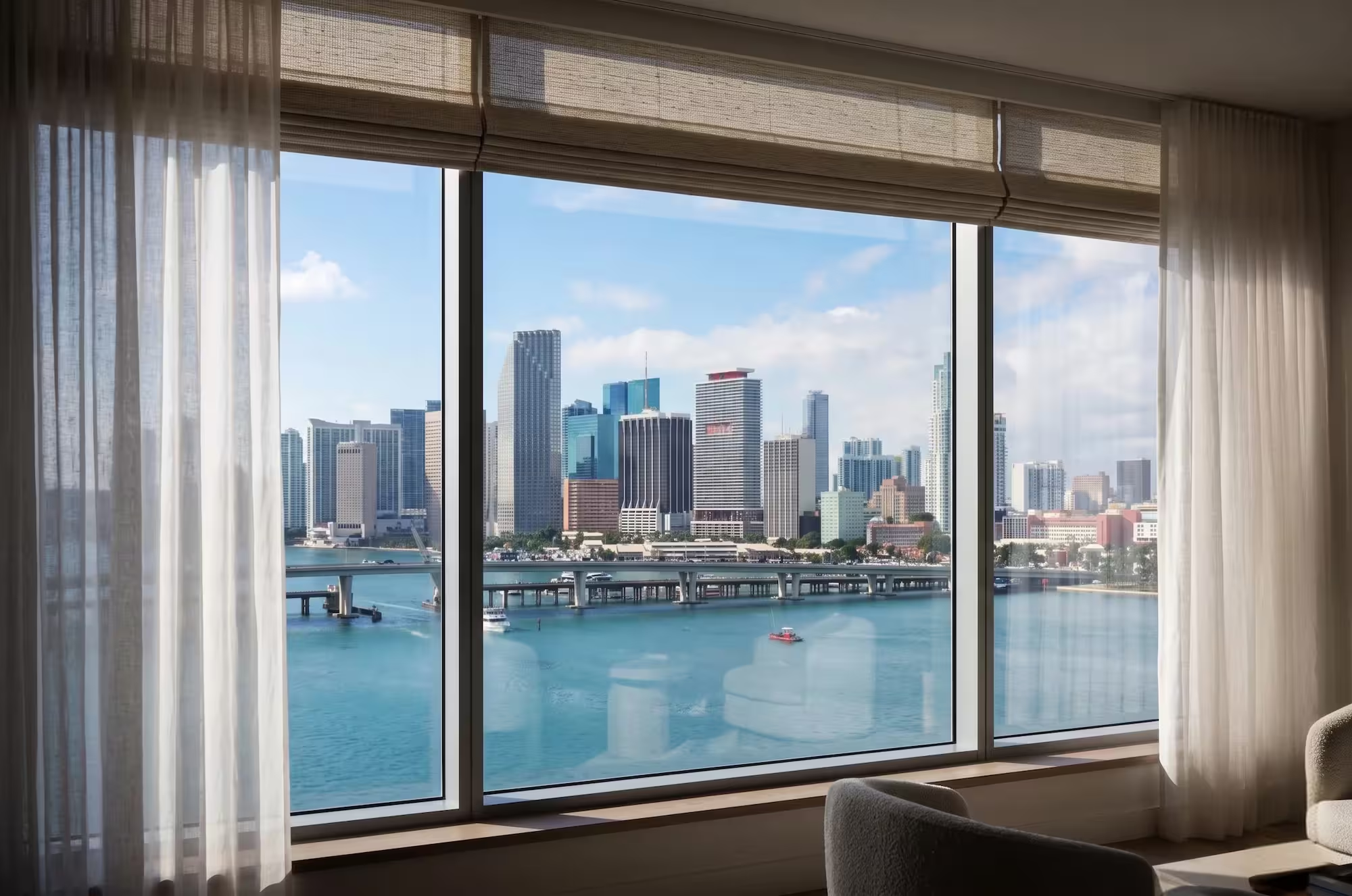
Buying window treatments for a Miami high-rise condo is not the same as dressing the windows in a single-family home. The glass is taller, the sun is harsher, the windows are harder to reach, and — crucially — there's usually a condo board with rules about what you can install. If you've been searching "window treatments near me" for a Brickell, Aventura, or Sunny Isles tower, this guide walks through what actually matters for high-rise condos and how to pick the right local installer.
Why high-rise condos are their own category
Four things set high-rise glass apart. Scale: floor-to-ceiling windows and sliders are large, heavy to cover, and often out of arm's reach. Sun and heat: unobstructed bay- and ocean-facing glass takes intense, direct sun that overheats rooms and fades interiors. Rules: almost every building has an HOA or condo board that governs treatments — particularly anything visible from outside. Access: installers need to manage service elevators, COIs, and building move-in procedures. A treatment plan that ignores any of these creates problems later.
HOA and board approval come first
Before fabric or style, confirm your building's rules. Many Miami towers require that anything visible from the street present a uniform, neutral appearance — often a specific backing color — and prohibit exterior alterations entirely. The good news is that interior treatments with concealed hardware almost always comply. An installer who works in high-rises regularly will know how to prepare a board-ready proposal and provide the certificate of insurance the building requires. This experience is one of the biggest reasons to choose a local specialist over a big-box vendor.
Floor-to-ceiling glass: the case for motorization
On tall, wide, or hard-to-reach windows, motorized shades move from nice-to-have to genuinely practical. Operating a 9- or 10-foot shade by hand several times a day is awkward and hard on the mechanism, and long cords are both a nuisance and a safety issue. Motorization moves the whole span with a tap or a voice command, puts sun-facing rooms on an automatic schedule, and eliminates cords — which many boards now prefer anyway. For a wall of glass, it's the single upgrade owners are happiest with.
Choosing fabrics for sun and privacy
High-rise glass usually calls for layers. UV-blocking solar shades cut the heat and glare on bay- and ocean-facing rooms while keeping the view; blackout shades give bedrooms true darkness. Many owners run dual systems — a solar shade for the day and a blackout behind it for night — on the same window. Because high floors get more direct, unfiltered sun than ground-level homes, specifying the right openness factor matters more here than almost anywhere.
How to find a high-rise installer near you
"Near me" for a high-rise really means "experienced in my kind of building." When you evaluate an installer, look for a few specifics:
- High-rise track record in your area — ask about buildings they've worked in.
- Board-approval know-how — they should handle COIs, uniform-appearance rules, and elevator/loading logistics without you managing it.
- Motorization expertise across major systems (Hunter Douglas PowerView, Lutron, Somfy, Rollease Acmeda).
- Precise measuring and installation for tall, hard-to-reach glass — the margin for error is small.
Miami Shades specializes in exactly these buildings across the metro — including Brickell, Aventura, and Sunny Isles Beach high-rises — so the "near me" search lands on a team that already knows your tower's constraints.
Start with a free in-home consultation
The best way to plan a high-rise project is on-site, where we can measure the glass, check mounting conditions, and confirm your building's rules. Miami Shades is a family-owned, bilingual team serving South Florida since 2016, specializing in condos and high-rises. Book a free in-home consultation and we'll bring samples to your unit and prepare a board-ready plan.
Frequently Asked Questions
How do I find a window treatment installer near me for a Miami high-rise?
Look for an installer with a specific high-rise track record in your area, not just general experience. The right local specialist will know your building type, handle condo-board approvals and certificates of insurance, manage elevator and loading logistics, and be fluent in motorized systems for tall glass. Miami Shades works across Brickell, Aventura, Sunny Isles, and other Miami high-rise areas.
Do I need HOA approval for condo window treatments?
Usually, yes — most Miami condo boards regulate anything visible from outside and may require a uniform, neutral street-facing appearance. Interior treatments with concealed hardware typically comply. An experienced high-rise installer will prepare a board-ready proposal and supply the insurance documentation your building requires.
Are motorized shades worth it for floor-to-ceiling windows?
For tall, wide, or hard-to-reach glass, yes. Motorization moves large shades with a tap or voice command, removes cords (which many boards prefer), and lets you schedule sun-facing rooms to cut heat and protect interiors. On a full wall of glass, it's the upgrade high-rise owners are most satisfied with.
What shades are best for a condo with lots of sun?
UV-blocking solar shades handle heat and glare while preserving the view, and blackout shades give bedrooms full darkness. Many high-rise owners layer both on the same window — solar by day, blackout by night. Because high floors get more direct sun, choosing the correct fabric openness factor is especially important.